Abstract
Gut microbiota-derived metabolites act as vital signaling molecules that link the intestinal ecosystem to host energy balance, inflammation, and metabolic health. Diet-induced dysbiosis, typically triggered by high-fat or high-sugar regimens, alters these metabolite profiles and drives the progression of metabolic disorders, including obesity, type 2 diabetes, and metabolic dysfunction-associated steatotic liver disease (MASLD). Among these, the tryptophan metabolite indole and its derivatives have emerged as critical players in metabolic disease pathophysiology. While clinical and preclinical models demonstrate that indole levels are severely depleted during obesity and excessive hepatic fat deposition, exogenous supplementation effectively alleviates MASLD phenotypes in mice. Mechanistically, indole stimulates myeloid PFKFB3 activity, which is essential for suppressing macrophage activation and subsequently mitigating hepatic metabolic dysfunction and inflammatory cascades. Furthermore, indole attenuates diet-induced intestinal inflammation, a key mechanism contributing to its protective effects against metabolic dysfunction-associated steatohepatitis (MASH). Consequently, dietary and pharmacological strategies designed to elevate endogenous indole production represent highly viable therapeutic avenues for managing metabolic disease.
Speaker Bio
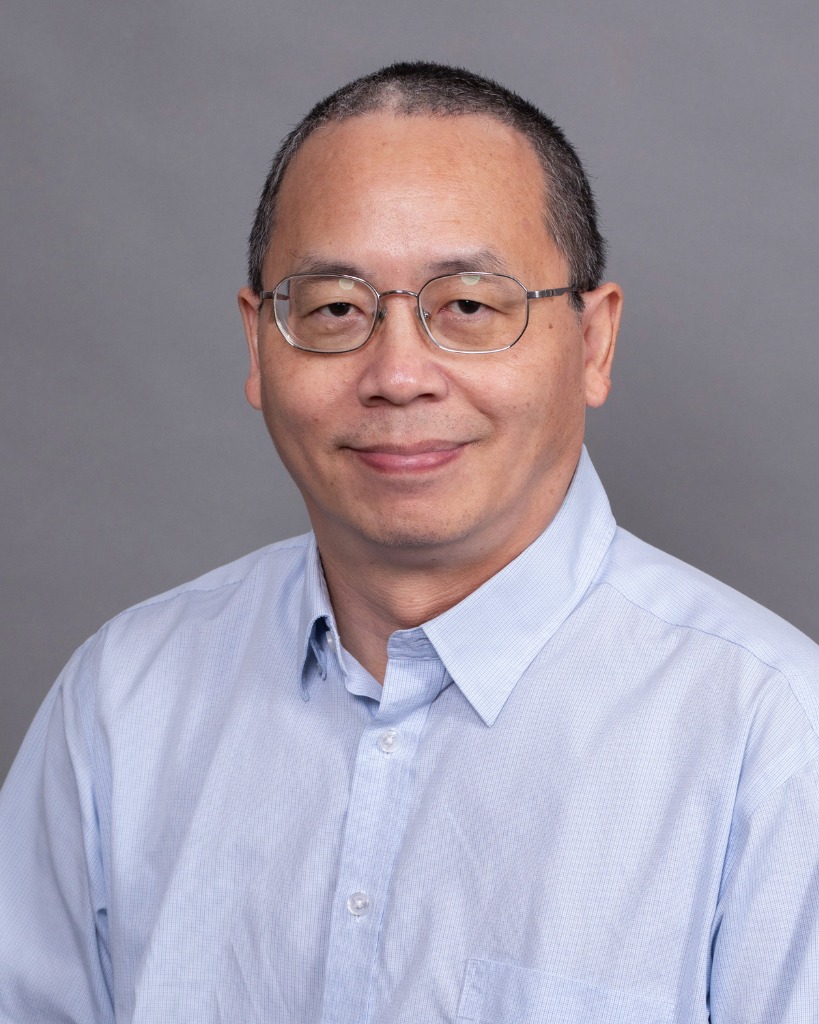
Dr. Chaodong Wu is a tenured Professor in the Department of Nutrition, Faculty Fellow and Senior Faculty Fellow of Texas A&M AgriLife Research, and Presidential Impact Fellow at Texas A&M University (TAMU). Dr. Wu’s research focuses on elucidating the pathogenesis of obesity and related metabolic diseases. Since 2010, Dr. Wu has secured external funding exceeding $12.49 million, including six NIH R01 grants. Dr. Wu has published 125 peer-reviewed articles, including those in top-ranked journals (Cell Metabolism, Circulation, Hepatology, and Gastroenterology), with an h-index of 50 and an i10-index of 123.
Since 2007, Dr. Wu has mentored and trained 69 graduate students, supervised 6 visiting PhD students and 8 postdoctoral associates. Since 2010, Dr. Wu has served on over 38 NIH study sections as an ad hoc reviewer and played a significant leadership role as a Standing Member and then as Chair (2020–2023) for NIH’s Hepatobiliary Pathophysiology (HCCS) study section. To date, Dr. Wu has delivered 99 invited seminar presentations.