Abstract
Plants are essential components of our ecosystem and play a vital role in sustaining life on earth. Recent climate changes pose significant challenges to agricultural productivity by exposing crops to increasing biotic and abiotic stresses. Developing resilient crops requires an integrated understanding of plant development, genetics, and physiology, coupled with innovative technologies for crop improvement. This talk will highlight my research on plant genome engineering, peptide-mediated immune responses, root development, and stress tolerance. It will also introduce my current research investigating the genetic and developmental mechanisms regulating tillering in drought-tolerant, stay-green sorghum. By integrating molecular biology, functional genomics, and plant physiology, my research aims to identify strategies for improving crop traits and advancing sustainable agriculture under changing climatic conditions.
Speaker Bio
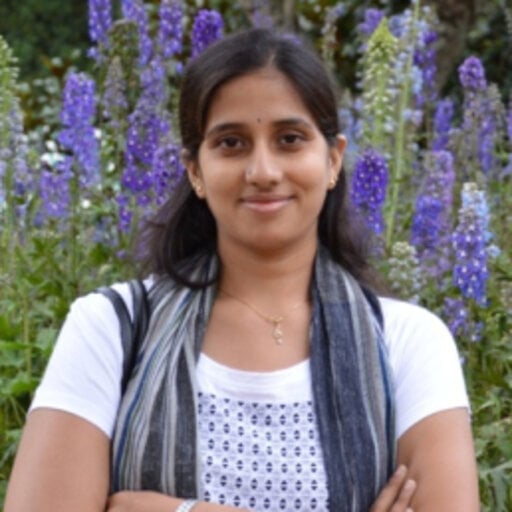
Dr. Sowmya Poosapati is a Research Specialist in Dr. Tesfamichael Kebrom’s laboratory at the Cooperative Agricultural Research Center (CARC), Prairie View A&M University (PVAMU), where she studies the genetic and developmental mechanisms underlying shoot branching in crops. Originally from Andhra Pradesh, India, she earned her Ph.D. in Biotechnology from Jawaharlal Nehru Technological University, India. Her doctoral research identified thermotolerant Trichoderma strains with enhanced biocontrol potential against plant pathogens, which were subsequently commercialized for agricultural use in India.
Dr. Poosapati spent over five years at DuPont India Ltd., receiving multiple awards for her contributions to genome editing and cloning projects. She was later selected as a Tata Institute of Genetics and Society (TIGS) Visiting Scholar, working with Professor Martin Yanofsky at the University of California, San Diego (UCSD), to develop genome-editing tools for rice.
She subsequently conducted postdoctoral research in Professor Alisa Huffaker’s laboratory at UCSD, investigating plant innate immune responses in Arabidopsis and legumes. At the Salk Institute for Biological Studies, she worked with Professor Joanne Chory to develop strategies for improving root architecture, particularly deeper and denser root systems, to enhance plant performance and contribute to climate change mitigation. Her research spans plant molecular biology, genome engineering, plant immunity, root development, and crop resilience.